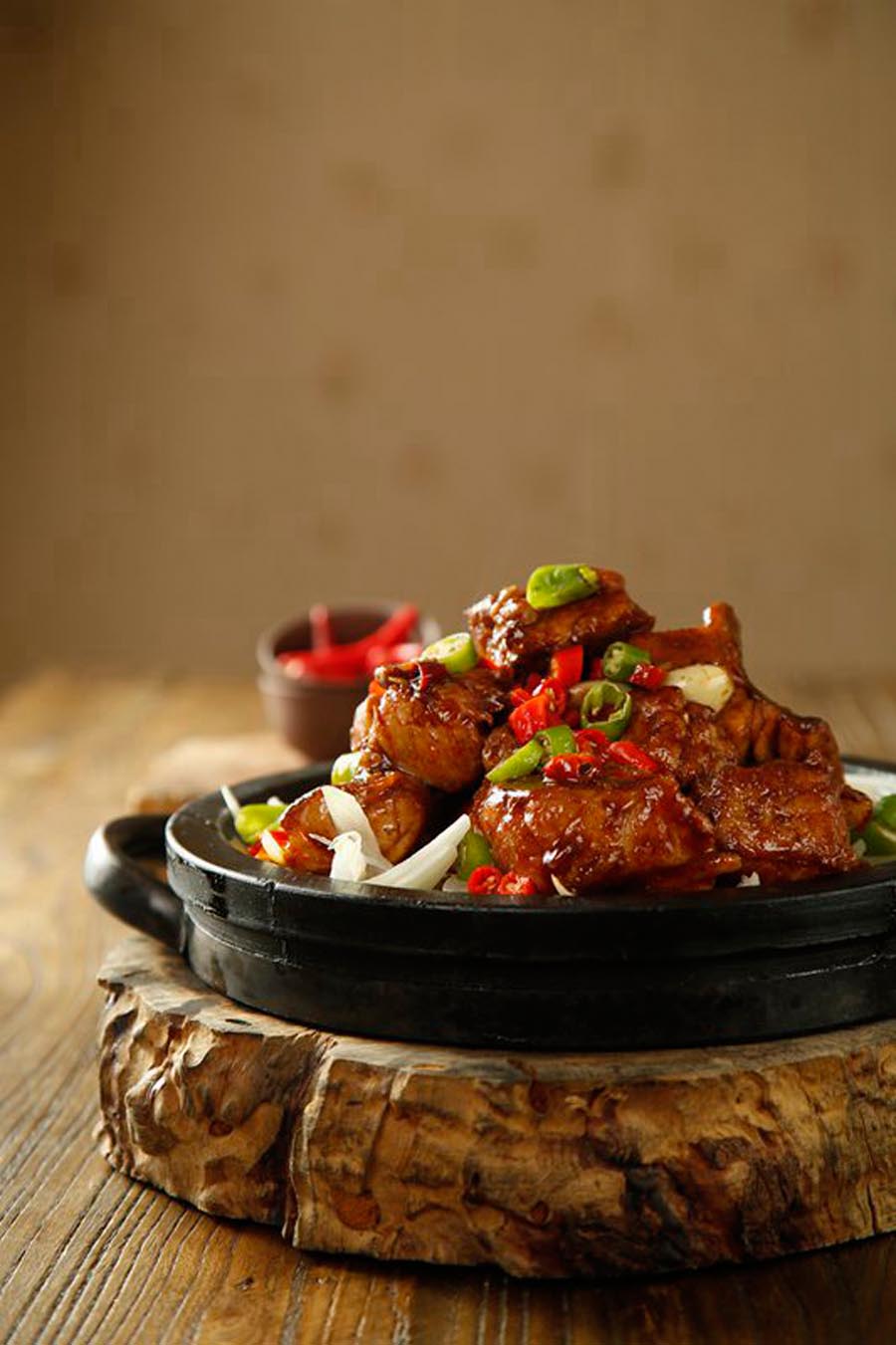
Huizhou Cuisine
Overview
Huizhou cuisine, also known as Hui cuisine, is one of the eight major culinary traditions in China. It originated from the ancient Huizhou region, which corresponds to today's Jixi and Shexian areas in Anhui province. Deeply rooted in local culture, Huizhou cuisine is celebrated for its extensive use of natural ingredients and diverse cooking techniques, making it a unique culinary style within China's rich gastronomic landscape.
Historical Background
Huizhou cuisine's origins can be traced back to the Southern Song Dynasty (1127-1279), during which it developed in the Huizhou region. Over time, it spread across China, particularly during the Ming (1368-1644) and Qing (1644-1911) dynasties, when Huizhou merchants gained nationwide influence. The cuisine is known for its robust flavors and was shaped by the geographical and cultural context of Anhui province, which is known for its mountainous terrain and rich natural resources.
Cooking Techniques
Huizhou cuisine is distinguished by its emphasis on preserving the original flavors of ingredients through various cooking methods, such as frying, deep frying, stir-frying, sauteing, braising, boiling, and roasting. These techniques are used to create dishes that are rich in oil, vibrant in color, and perfectly heated to enhance the taste. The cuisine also employs unique methods to highlight the freshness of local ingredients, which are often sourced from the abundant sea and land resources available in the region.
Signature Dishes
Huizhou cuisine is renowned for several iconic dishes, which reflect the culinary traditions of the region. Notable dishes include:
-
Fermented Mandarin Fish: Known for its pungent aroma and delicious taste, this dish is a hallmark of Anhui's culinary expertise. The fish is typically marinated and fermented to enhance its flavor.
-
Li Hongzhang's Hotchpotch: A complex dish named after a notable Anhui statesman, it combines various ingredients in a stew, showcasing the blend of flavors characteristic of Huizhou cuisine.
-
Hairy Tofu: Made from tofu that is allowed to naturally ferment and develop a hairy texture, this dish is often served with various sauces to complement its distinct flavor.
-
Wuwei Smoked Duck: A dish that involves smoking duck to impart a deep, smoky flavor, typical of Anhui's approach to cooking poultry.
Cultural Significance
Huizhou cuisine is not just about taste; it is a reflection of the region's cultural heritage and natural environment. It is deeply connected to the traditions and history of the people in Anhui province, as well as their resourceful use of local ingredients. The cuisine plays a significant role in the cultural identity of Anhui, offering insights into the lifestyle and values of its people.
Modern Developments
In recent years, Huizhou cuisine has gained popularity beyond its regional boundaries, with food festivals and culinary events bringing its flavors to larger audiences. For instance, the Anhui Food Festival in Beijing showcases authentic Anhui dishes, allowing diners to experience the rich culinary heritage of the province.
As Huizhou cuisine continues to evolve, it maintains its core principles of using fresh, high-quality ingredients and traditional cooking techniques while adapting to contemporary tastes and aesthetics. This balance of tradition and innovation ensures that Huizhou cuisine remains a vital and dynamic part of China's culinary landscape. Article reference1. Anhui cuisine festival opens in Beijing. chinadaily.com.cn. 20212. Love up your spice life. chinadaily.com.cn. 20193. Seven must-try eats at Anhui food festival in Beijing. chinadaily.com.cn. 2018Photo Gallery(15 pictures)CategoriesLifestyleTagFood CultureEight Great Cuisines of ChinaRelatedChinese CuisineCatalogue1. Overview2. Historical Background3. Cooking Techniques4. Signature Dishes5. Cultural Significance6. Modern Developments- - - []








